

Emergencies usually show up when you least expect them. Doesn’t matter how well you plan your budget; things like sudden car trouble, surprise medical bills, or even a job shakeup can sneak up on you.
I’ve been blindsided by all sorts of surprises that really mess with my calm. Nothing wipes the smile off your face faster than an expensive leak or an engine that won’t start.
That’s where having an emergency fund has made a huge difference for me. It’s not about getting rich—it’s about having a safety net between you and the kind of financial stress that makes sleep tough.
In this guide, I’m breaking down exactly how to set up, protect, and grow an emergency fund you can count on, without feeling overwhelmed.
Here’s what you’ll find: how much to save, where to keep it, and practical steps for growing it, even when your budget feels squeezed.
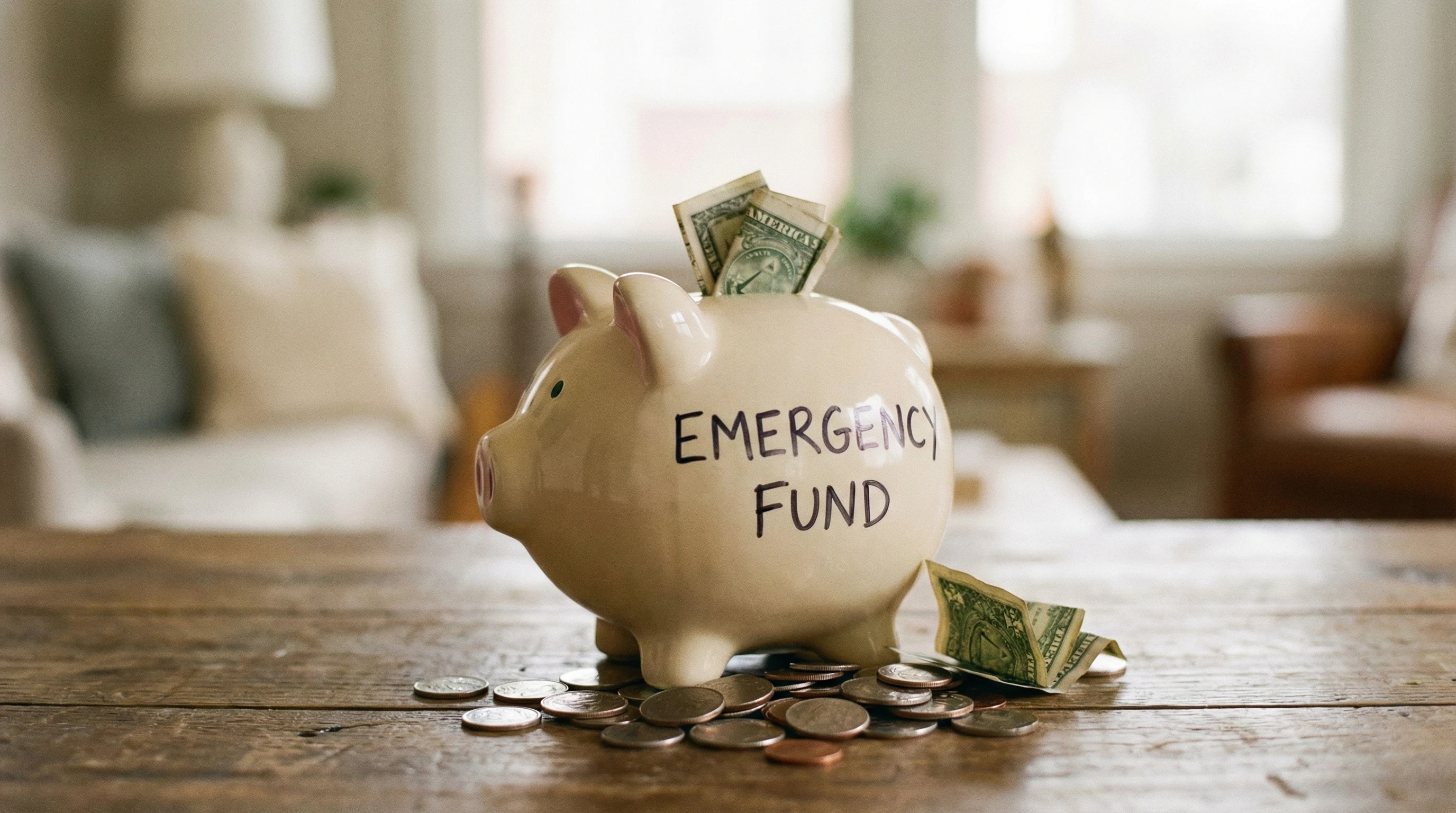
What Is an Emergency Fund?
An emergency fund is exactly what it sounds like: a pile of money set aside for unexpected, urgent needs that you can’t plan for in your normal monthly budget.
We’re talking things like a surprise hospital trip, a refrigerator that suddenly dies, or covering rent if your job suddenly disappears.
The key is that it’s only for true emergencies. So ask yourself: is it a real “need,” not just a “want”?
Some real examples of what counts as an emergency fund expense: an unexpected vet bill if your dog eats chocolate, essential car repairs that help you get to work, or paying your mortgage if you suddenly lose your job.
What doesn’t count?
Impulse shopping, tickets for a concert you really want, or replacing your phone just because a new model came out. I ask myself, “Would not paying this right now seriously mess up my life or health?” If the answer’s yes, then it’s an emergency fund situation.
Many folks rely on credit cards or quick personal loans to handle these surprises, but that can turn a single bad moment into years of debt.
Without a cash buffer, one unexpected bill can snowball fast. That’s why having cash set aside for emergencies really matters. It gives you options, not just more bills.
Recommended Reading: What Are The 10 Best Strategies To Reduce Grocery Spending Without Sacrificing Meals
Why an Emergency Fund Is Non-Negotiable
I used to think I could squeak by on luck and maybe a well-timed paycheck. But after the third “how am I going to pay for this?” moment in a year, I realized being ready is way less stressful than hoping for good luck.
An emergency fund isn’t just some nice idea for cautious people; it seriously changes how you handle life’s nonsense.
Here’s why:
- Prevents debt spirals: When emergencies hit, having cash handy keeps you from falling into a pile of high-interest debt. It stops a $400 car repair from becoming a $1,000 credit card nightmare.
- Reduces anxiety and decision fatigue: You can make smarter, clearer choices when you’re not panicking about where to find cash. That alone is worth so much peace of mind.
- Gives you options when income is disrupted: If you’re laid off, sick, or your hours get cut, you have time to figure things out instead of making desperate moves.
- Creates a foundation for future financial growth: With an emergency fund in place, you can start investing and saving for bigger goals without worrying that one unexpected hit will take you back to zero.
I know many people skip this step or save it for “later,” but it’s better to have a small safety cushion now than to keep promising yourself you’ll build one next year. The relief is real.
How Much Should You Save? (Emergency Fund Guidelines)
Every finance site and expert throws out different numbers, but here’s what’s actually doable for most people:
- First goal: Save one month’s worth of basic, must-pay expenses (think: housing, food, insurance, transportation). It’s way less scary than aiming for several months right out of the gate.
- Target range: Eventually build that up to cover three to six months of living expenses. That gives you stability if you lose your job, face a big medical crisis, or need to cover a series of unexpected hits.
The “ideal” emergency fund size totally depends on you and your life. Some things that make a difference:
- Job stability: If you’ve got a steady job with sick leave and job protection, you might be fine closer to the three-month side. If your work is seasonal, freelance, or contract-based, or if you’re switching jobs a lot, six months is more realistic.
- Dependents: If you’re responsible for kids, aging parents, or pets with medical needs, padding your fund can help you sleep better.
- Variable income: Freelancers, gig workers, and self-employed folks might want more in the bank to smooth out slow months.
- Health and lifestyle: If you or someone in your family has ongoing medical needs, or you live in an area with frequent natural disasters, aiming higher gives you more wiggle room.
I started with a $500 emergency stash—enough for one real surprise—then grew it month by month. Even hitting half your goal is better than nothing and still makes a big difference in real life. Over time, those small wins can really add up and give you reassurance.
Where Should You Keep Your Emergency Fund?
The smartest place for your emergency fund is somewhere you can get to your cash quickly (that’s called “liquidity”), but where you still earn a bit of interest.
Forget fancy investments; this money needs to be safe, easy to access, and separate from your everyday spending account so you aren’t tempted to dip in.
Good emergency fund options:
- High-interest check-writing I like online banks because they tend to pay higher rates and avoid crazy fees. Just check that you can transfer your money out fast when needed.
- Money market accounts: These work like a savings account with a debit card or check-writing features, making them handy for quick access if your main bank doesn’t offer a good savings rate.
Places to avoid parking your emergency cash:
- Risky investments: Stocks, mutual funds, or any kind of account where your money’s value could drop overnight are a no-go for emergency funds. The market could tank right when you need to cash out.
- Locked or long-term accounts: Things like CDs (certificates of deposit) with penalties or some retirement accounts can keep your cash tied up. That isn’t so helpful in a true emergency.
The rule I stick to: if I need the cash in less than 24-48 hours, I should be able to get it, with no hassle.
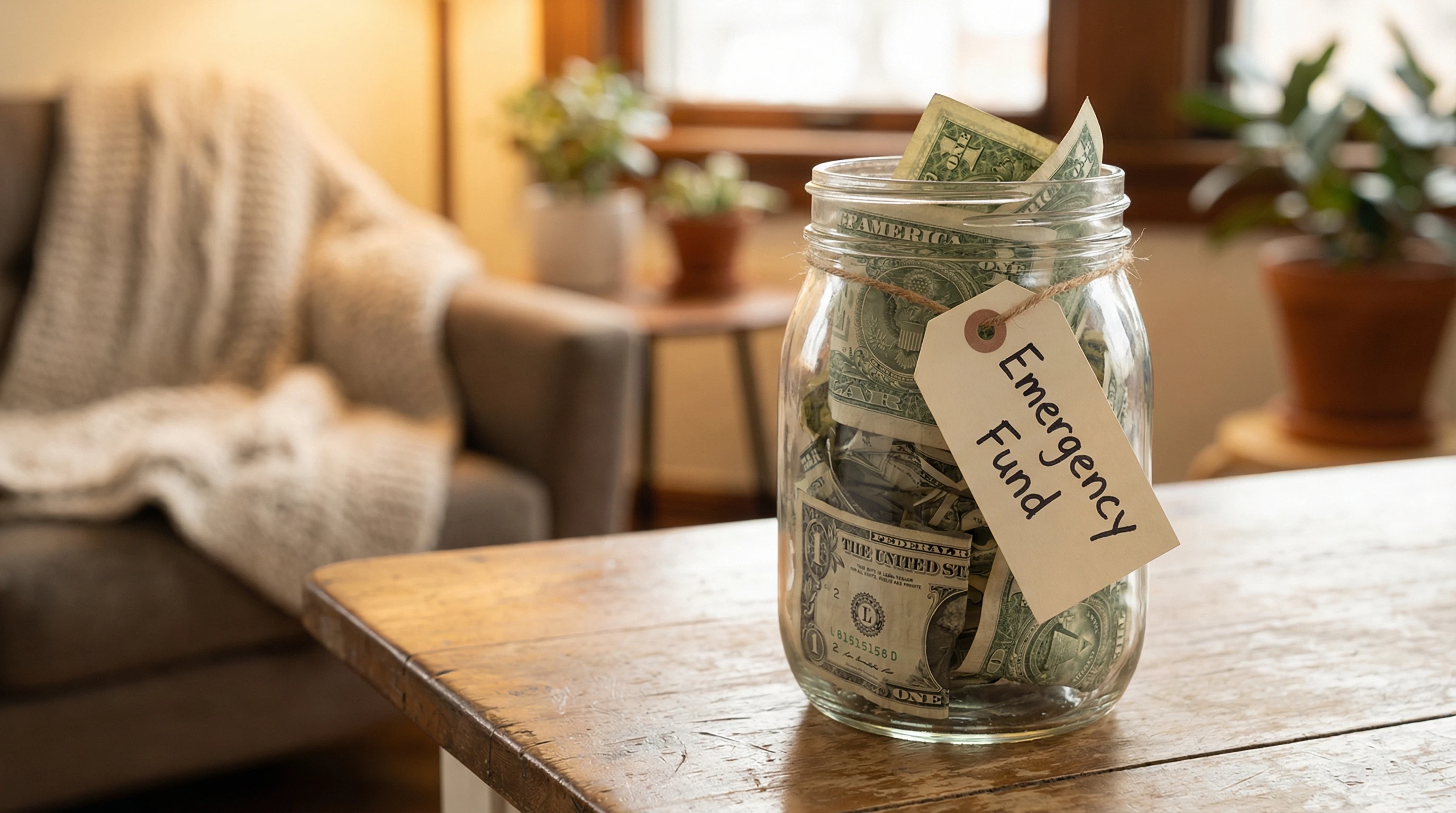
How to Build an Emergency Fund (Step-by-Step)
Starting from scratch can feel slow, but every little step matters. Here’s how I’ve built mine, whether my income was big, small, or up and down:
- Step 1: Start Small
- Don’t worry about hitting the full target right away. Even $10 here or $25 there gets you moving. The small wins actually boost your confidence and keep you invested in your goal.
- Step 2: Automate Contributions
- Setting up an automatic weekly or monthly transfer takes willpower out of the equation. I “pay myself first” like it’s a bill. Seeing your fund grow, even slowly, is motivating.
- Step 3: Fund It Through Your Budget
- I like two tricks for making room in my budget:
- Zero-based budgeting: Assign every dollar to a job, even if that job is “grow my safety net.”
- The 50/30/20 rule: Try putting 20% of your income toward savings and debt payoff, including your emergency stash. If that’s still tough, any percentage works—consistency matters more than the number.
- I like two tricks for making room in my budget:
I also boosted my fund by selling stuff I didn’t use, using cashback apps, and funneling any side hustle money into my savings before I even had the chance to spend it. Tiny moves add up over time, and before you know it, your emergency fund feels more solid.
What to Do When You Use Your Emergency Fund
I used to feel guilty for dipping into my emergency fund, but here’s the truth: using it for its real purpose isn’t a setback.
That’s what the fund is there for.
If an emergency wipes some of your stash out, here’s how I handle it:
- Pause and reassess: I look at what happened. Was it a rare, true emergency or something that pops up often? If it’s recurring, maybe I need a budget tweak to account for it.
- Put rebuilding front and center: I make small, regular deposits again, just like when I started out. Even $5 a week makes a difference if you stick with it.
- Adjust goals if needed: If cash is tighter after a true emergency, I lower my target temporarily. Getting momentum back is more important than chasing a number and giving up.
No shame, no drama.
Just back on track, one step at a time. As you rebuild, remind yourself why you started in the first place.
Common Emergency Fund Mistakes
No one gets it perfect every time. I’ve made just about every mistake out there, and most people do.
Here are a few to look out for so you can dodge them early:
- Using it for lifestyle expenses: Ordering takeout because you “had a tough week” isn’t an emergency, even if it feels like one.
- Waiting for “extra money” to save: If you keep waiting for a big windfall, you’ll never start. Slow and steady works much better.
- Investing emergency funds: It looks tempting, but market dips always seem to happen right before you need cash most.
- Not replenishing after use: If you drain your fund and don’t replace it, you’re wide open for the next surprise. Refill it like you refill your gas tank after a long drive.
Catching these early will keep your safety net strong. I check in with my fund every month to see if I’ve slipped, so I can course-correct fast. Little self check-ins help ensure my emergency money is always available when I need it.
Emergency Fund vs Other Financial Goals
There’s always a debate about what to do first: save for emergencies, pay off debt, or start investing. Here’s how I think through it:
- Emergency fund vs debt repayment: If your debt has skyhigh interest, it makes sense to pay it down fast. But you need at least a small emergency buffer (like $500 to $1,000) in place, so you don’t have to turn to your credit card right away and pile on new debt if things go wrong.
- Emergency fund vs investing: It’s tempting to start investing right away, but having a basic emergency fund gives you a safety net. Otherwise, you might have to cash out investments at a loss when you face a crisis.
Don’t feel bad if your adventure doesn’t look like what the “experts” say. Prioritize the steps that help you breathe easier first—even if it’s just a tiny fund before you tackle bigger goals. Sometimes peace of mind comes before strong returns on investments.
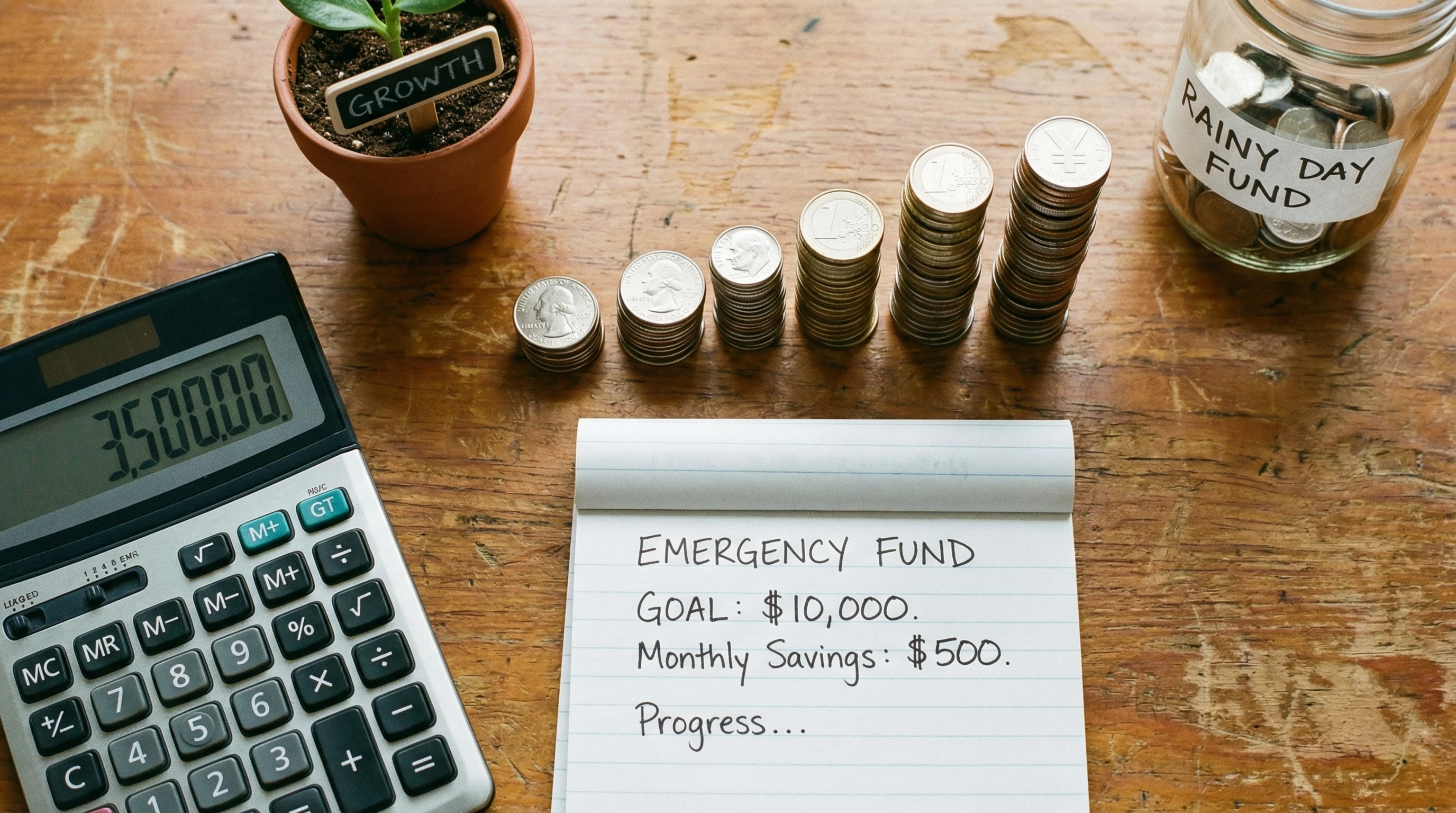
Who Should Prioritize an Emergency Fund First
Building an emergency fund is extra helpful for some folks.
Here’s who I think needs to make this a top priority before anything else:
- Beginners learning money management: If you’re just getting started or you’ve had trouble keeping a budget before, an emergency fund keeps things from spiraling the next time life gets weird.
- Single-income households: When only one paycheck keeps the lights on, having a money buffer takes off a lot of stress.
- People starting side hustles or online businesses: Income might bounce around more at the beginning. That emergency stash buys you time to figure things out and keep afloat.
- Anyone rebuilding financial stability: If you’ve had a rough patch—job loss, medical bills, divorce—laying down a new safety net stops more setbacks from sticking around.
If you fall into one (or more) of these groups, even stashing small amounts will give you more security than you might think. It’s not about perfection; it’s about having a minimum safety layer so stress doesn’t pile up every time life throws you a curveball.
Frequently Asked Questions
Curious about what really works for emergency funds?
Here are some common questions I get asked, along with what’s worked for me or people in my circle:
How do I keep from spending my emergency fund accidentally?
Keep it in a separate bank from your regular checking or spending account. Out of sight, out of mind works wonders! I only touch my stash when it’s a real, unavoidable situation. To remind myself, I revisit my rules every couple months to keep my resolve strong.
What if I barely make ends meet—should I still try to build an emergency fund?
Yes. Even tiny amounts make a difference over time. I started slow, rounding up every savings opportunity and using birthday cash for my fund instead of spending it. Making it a habit is more important than the size at first.
Should I keep cash at home or only in the bank?
I keep the bulk of my emergency fund in a highyield online account, but also have a small envelope of cash (just enough for a few days of expenses) in a safe spot at home. That way, I’m ready for anything—power outages, banking shutdowns, or just if there’s a weird delay with the bank. A little bit on hand can save you stress if systems go down for a day or two.
Final Thoughts
An emergency fund won’t make you a millionaire overnight. Still, it’s the single move that’s given me more control and less stress than anything else I’ve done with money.
You can’t always avoid emergencies, but you sure can soften their impact. It’s a way to make sure today’s bad news doesn’t wreck your tomorrow. Once your safety net is solid, you can focus on growing—without losing sleep if the fridge makes a weird noise or your job surprises you.
Building and protecting your emergency fund is about caring for yourself and your future. Start small, be consistent, and celebrate those small wins. Stability comes first. Everything else will follow, making it easier to go after your bigger dreams with a clear mind.
Grow Your Income: My Recommendation
Saving is important, but long-term stability often means finding ways to earn more, not just cutting back. I found a legit, beginner-friendly affiliate marketing training platform that walks you through building your first online income without needing special skills.
The best part?
It’s self-paced, packed with practical tips, and comes with a community that genuinely helps out. No sleazy recruiting schemes or complicated jargon; just honest training for regular people getting started from zero.
If boosting your income is on your mind (and you want another layer between you and life’s next curveball), it’s worth checking out. Here’s the platform I personally recommend for building an online income safely and step by step.
👉 Check out the training platform I trust and start growing your income at your own pace.