
Investing can feel pretty intense, especially when markets swing up and down without much warning.
I know how tempting it is to react quickly—maybe even panic sell—when things get rough. But those rollercoaster moments are totally normal in the world of investing.
Learning how to manage your money when volatility hits is a huge part of building wealth, and it’s not about just riding out the storm with crossed fingers.

What to Expect in This Guide
I’ll walk through what market volatility actually means, why it happens, and why it’s not always as scary as it might seem. I’ll also cover some really important ways to protect your investments, without dumping everything at the first sign of trouble.
By the time you finish reading, you’ll know practical steps to deal with volatility and keep your long-term goals on track, without the stress.
This guide is packed with all-in-one advice and strategies based on my own investing experience, insights from pros, and proven techniques to help you be prepared for any market mood swing.
What Is Market Volatility?
Market volatility is basically just a fancy word for those wild swings you see in prices—one day your stocks are doing awesome, and the next, they’re down a few percent.
In technical speak, volatility is how much the price of an asset moves up or down over a certain period.
Big moves in a short time mean high volatility.
Markets jump around for all sorts of reasons. Sometimes it’s news about interest rates, a war, inflation numbers, or even rumors about a company.
Investors react, prices move, and it just keeps going because everyone else is watching the same headlines.
Imagine a crowd at a sports game reacting to a play; sometimes people cheer, sometimes they groan, and the whole mood shifts. That’s pretty much the market vibe.
There’s a difference between short-term volatility (like what you see after a bad news report) and long-term trends.
Short-term swings look dramatic but often smooth out over years. Long-term investors expect these ups and downs because it’s how markets work.
Here’s a twist: volatility can actually lead to opportunity, like buying quality assets at discount prices.
It’s not always a bad thing!
Plenty of seasoned investors are grateful for eye-catching deals that only show up during rocky markets.
Recommended Reading: How To Build A Balanced Investment Portfolio For Long-Term Growth As A Beginner
Why Investors Panic During Volatile Markets
It’s totally normal to feel worried when your portfolio dips.
Most of us are wired to avoid losses, so seeing red numbers can prompt some knee-jerk reactions.
There are a few reasons why investors get especially nervous during market swings:
- Emotional Reactions: Watching account balances drop feels like real pain, sometimes even more intense than the happiness of making gains. This is called “loss aversion.”
- Media Hype: Headlines usually get more attention when they’re scary. Nonstop news updates and bold warnings make it hard to stay calm. When the spotlight’s always on gloom and doom, it’s hard to keep a cool head.
- No Clear Plan: If you don’t have a long-term strategy, every drop, even a tiny one, can seem like a major disaster. This is when panic selling happens.
The real problem is that panic selling during downturns pretty much guarantees you’ll lock in losses.
Missing rebounds can make it almost impossible to catch up when the market bounces back. It pays to stay sharp, step back, and check your goals before making any big investment moves.
Diversification – Your First Line of Defense
When I talk about diversification, I’m really just saying “don’t put all your eggs in one basket.”
It sounds simple, but it’s one of the best ways to ride out market swings without losing sleep.
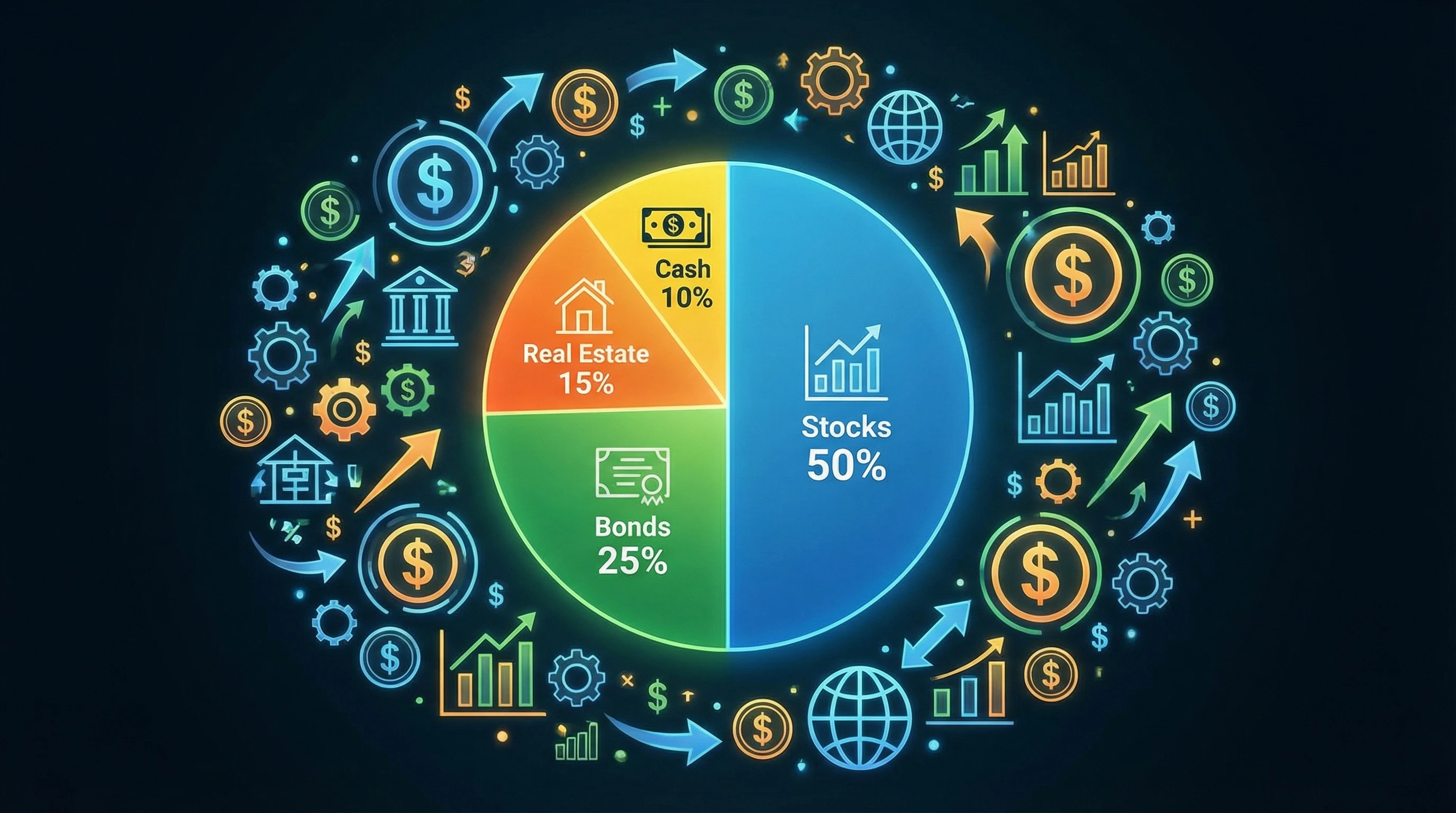
- Spread Across Asset Classes: Investing in a mix of stocks, bonds, cash, and even alternatives (like real estate or gold) can help smooth out returns. When one goes down, another might go up.
- Stocks, Bonds, Cash, Alternatives: Each asset class reacts differently to news, interest rates, and global events. This mix keeps your risk balanced and helps you cover more bases than relying on just one asset.
- Geographic Diversification: Investing in companies from different countries shields you if one economy faces trouble. International choices let you tap into growth in emerging markets and other expanding regions.
- Sector Diversification: Tech, healthcare, energy, consumer goods; all sectors have their own cycles. A spread helps if one sector tanks, cushioning the setback by letting another shine during its strong period.
Diversification doesn’t make you immune to losses, but it definitely helps dampen the impact of market jolts.
Plus, switching things up by including a variety of assets means you don’t have to obsess over guessing which one will win each year.
Build a Portfolio That Matches Your Risk Tolerance
Your investment portfolio should feel like a good fit, sort of like picking out sneakers.
If you sprint in hiking boots, you’re going to regret it.
In investments, this means lining up your mix of assets with your risk tolerance and time horizon.
Understanding this can make investing a less stressful adventure.
- Conservative vs Balanced vs Aggressive: Conservative portfolios lean more on bonds and cash. Balanced mixes stocks and bonds. Aggressive goes heavier with stocks and may include more volatile assets. Picking what’s right for you means being honest about how much loss you can handle before you lose sleep at night.
- Time Horizon: How long you plan to keep your money invested matters more than perfect timing. If you’re saving for retirement in 30 years, short-term swings probably won’t mean much in the long run. But if you’ll need your money in five years, you’ll want lower-risk investments on deck.
- Younger Investors: If you’re younger, you can generally handle more risk because you have time to recover from market drops. Older investors may need more stability and incomeoriented investments to support shorter timelines or living needs.
I found that understanding my comfort with risk helped me avoid big mistakes, especially selling too soon just because things looked scary for a minute.
Getting this sense takes time, but it saves a ton of stress down the road. Finding the right balance lets you make use of opportunities without feeling like you’re living on the edge every day.
Use Defensive Investment Strategies
There are a bunch of practical strategies out there that help you keep your cool while staying invested.
Here’s what I use and recommend:
Dollar-Cost Averaging
Investing a set amount at regular intervals (like monthly) means you’re buying some investments when prices are high and some when prices are low. With the cost evening out over time, this really comes in handy during bumpy markets because it stops you from waiting for the “perfect” time.
Rebalancing
Markets move, so your mix of assets (allocation) drifts over time.
Rebalancing means adjusting back to your original plan, usually once or twice a year.
Sell a little of what did well, buy more of what didn’t.
It’s disciplined and helps you avoid “all-in” bets. Consistently doing this can lock in some gains and keep your risk level steady.
Holding Quality Assets
Stocks with strong business models and steady earnings are more likely to recover during market dips.
I pay extra attention to fundamentals; think low debt, healthy cash flow, and real-world demand.
Trends come and go, but quality tends to stick around.
This low-drama approach lets you sit tight during storms instead of making rash moves.
Keeping Cash Reserves
Having cash (or equivalents, like money market funds) on hand is a little like a safety net.
It lets you cover emergencies without selling investments for a loss, and gives you options if there’s an opportunity to buy at a discount.
Many investors underestimate the power of a cash cushion, but it’s a game-changer for confidence and flexibility.
Avoid These Common Mistakes During Volatile Markets
This is where I see people (myself included) get tripped up all the time.
Maybe you’ve done one or two of these yourself:
- Selling During Market Dips: Reacting out of fear usually leads to buying high and selling low. This is never a great combo.
- Overreacting to News: Daily headlines rarely tell you what’s actually happening in your portfolio. Focusing too much on the news can make you chase your tail or lose sight of your bigger strategy.
- Chasing Hype Investments: Jumping into “the next big thing” just because it’s trending often leads to losses. Think meme stocks and headline-grabbing crypto. Make sure your moves make sense for your plan—not just the news cycle.
- Overtrading: Constantly buying and selling racks up fees and taxes, and rarely leads to better results. Too many trades can eat away at your returns and make investing more stressful than it needs to be.
Building a checklist of things not to do is actually pretty helpful. It’s a quiet reminder when you’re tempted to take drastic action, and helps you stay focused on your all-in-one strategy instead of reacting randomly.
How Different Asset Classes React to Volatility
Each investment type responds to market swings in its own way.
Knowing the ins and outs of each helps you spot risks and uncover your best move in wild times:
- Stocks: Generally, the most volatile in the shortterm, but they offer the biggest growth potential over time. While stocks can have gutpunch drops, they also recover faster than most other assets over long stretches. Remember, compounding from reinvested dividends matters, too.
- Bonds: Move more slowly. Some types (like U.S. Treasuries) often go up when stocks are down, providing a cushion. Corporate and municipal bonds offer more yield, but can still get knocked around by inflation and rate hikes.
- Real Estate: Values don’t change minutebyminute like stocks, but they can still take hits during economic downturns. Rental income gives some stability, and longterm appreciation can outpace inflation, but liquidity is a concern—selling property isn’t instant.
- Crypto: Easily the wildest mover. Prices can double or drop 50% in weeks. Only invest here if you can handle big swings and have most of your money elsewhere. Crypto should only be a small, speculative slice of your overall game plan unless you’re comfortable with major swings.
- Cash Equivalents: Money market funds, CDs, and savings accounts don’t earn much, but they don’t drop in value, either. A safe spot for short-term needs, and your first defense against surprise expenses or unforeseen setbacks.
Long-Term Mindset vs Short-Term Fear
One of the biggest differences between successful and frustrated investors?
The ability to step back and look at the big picture.
Here’s what helped me stay the course, even on rough days:
- History Is On Your Side: Markets have always rebounded from drops, sometimes faster than people expect. Crashes in 2008, 2020, and before have all eventually recovered, with new growth to show for it. This doesn’t mean there’s zero risk, but it puts big drops in perspective.
- Long-Term Investors Usually Win: If you sat out after a big drop, odds are you missed the best days of the recovery. Staying invested helps you benefit from future growth rather than missing out when the rebound eventually happens.
- Discipline Through Cycles: Having rules and sticking to them (like automatic investing or scheduled reviews) is more powerful than reacting to every headline. Setting up habits ahead of time lets you move with confidence instead of emotion.
Mindset is huge.
Training yourself to focus on decades, not days, is probably the most valuable skill an investor can learn.
Putting things in perspective and reflecting on how far you’ve come makes every bump in the road much easier to swallow.
Tools and Habits That Help Reduce Risk
You can use tech and simple habits to make investing feel way less intimidating during wild swings.
Here’s what works well for me and for many of the most successful investors I’ve talked to:
- Automatic Investing: Set up transfers to your investment accounts so you don’t have to think about it. It’s less stressful and builds wealth in the background, without temptation to skip a month when headlines look scary.
- Regular Portfolio Reviews: Taking an hour every few months to check performance and rebalance keeps you in the driver’s seat, but not obsessing over every move. Use this time to tweak, not overhaul, your plan.
- Having an Investment Plan: Writing down your goals, timeframes, and what you’ll do when markets get rocky gives you something to lean on when your nerves are tested. Your plan is your anchor; stick to it, and you’ll avoid panic selling.
- Continuous Learning: Staying curious and learning about markets, assets, and strategy helps you understand what’s actually happening. Cutting through noise with real knowledge makes you less likely to fall for investor psychology traps.
Frequently Asked Questions
Here are some common questions I hear all the time from friends, family, and readers:
Q: What should I do when I see my portfolio drop?
A: Take a deep breath and resist the urge to react right away.
Check if your investments still match your long-term goals, and remember that swings are totally normal.
Sometimes the best move is to simply do nothing at all. If your long-term plan hasn’t changed, you probably don’t need to change your investments in a hurry either.
Q: How often should I rebalance my portfolio?
A: Every six months or once a year is usually fine.
If there’s a huge move in the market, it’s worth checking in sooner.
Don’t stress about being too precise—what matters most is being consistent and returning your portfolio to its target allocation regularly.
Q: Is it safe to invest during a volatile market?
A: There’s no completely “safe” time, but investing regularly and spreading your money out (diversification) is a proven way to lower risk long-term.
Trying to wait until things feel calm can sometimes mean missing good opportunities, since some of the best investment gains come right after the scariest drops.
Final Thoughts – Volatility Is Normal, Panic Is Optional
Market swings are part of the adventure.
With a clear plan, the right mix of investments, and a chilled-out mindset, you don’t need to panic every time prices drop.
It boils down to balancing risk using things like diversification, automatic investing, solid habits, and a commitment to your all-in-one strategy for the long haul.
Learning how to protect your investments through volatility doesn’t mean hiding from risk, but understanding it and putting it to work in your favor.
The more you know, the more confident you’ll feel taking each step forward—and the less likely you’ll be to sell in a sweat the next time markets act up.
By keeping an eye out, asking questions, and sticking with proven tools, you can make market swings just another opportunity for growth rather than a reason for stress.

Time to roll up your sleeves and get proactive in securing your investing future.
If you’re interested in learning more than just investment tips, I recommend checking out a practical training bundle focused on building wealth the steady way. It covers:
- 4 masterclass videos featuring experienced investors
- A super approachable affiliate marketing and income guide
- Systems for building long-term financial growth
You can get instant access to the full free training bundle right here. Take that first step, and give your financial skills a next-level cool boost that’ll serve you for years to come!
And this package that I put together is all beginner-friendly. In fact, it’s the very same formula that I used whilst working as a full-time pharmacist and wanted to build a solid side income.
Let me introduce you to my mentor, and you will learn the RIGHT strategies that work.
Go ahead and sign up to get access to your free masterclass videos and more
Regards and Take Care
Roopesh