
If you’ve ever felt overwhelmed staring at your bank account or keeping track of endless bills, you’re definitely not alone.
Debt has a way of sneaking up, especially when expenses pile up and payday always feels just a little too far away. Over the past few years, budgeting apps have seriously stepped up their game.
In 2025, there’s been a remarkable surge in smart, user-friendly tools crafted to help folks manage their money and tackle debt more quickly.
I’ve spent plenty of time digging into these apps, and I want to break down which ones can genuinely help you cut through the chaos and start living with a bit less financial stress.
Whether you’re just trying to get a handle on where your cash goes or you’re ready to make some serious progress on your debt, having the right app on your phone can be a total game changer.
Below, I’m sharing the best budgeting apps, both free and paid, that stand out for anyone with debt on their mind.
It’s all about helping you track your spending better, plan your payments, and actually see your progress step by step.

How Budgeting Apps Help You Manage Debt
It can feel tough to keep up with debt payments, especially when you’re juggling different credit cards, loans, and monthly bills.
Budgeting apps step in to make this whole process much smoother and easier to stick with. The best ones do a few things exceptionally well:
- Automatic categorization: Apps pull in your transactions from linked bank accounts and sort your spending, so you finally see where your money’s actually going every month without adding stress.
- Debt payoff trackers: Handy calculators show how much you owe, help you create a plan, and track your progress as you pay things down—you’ll visually see those balances shrink.
- Budgeting tools: These let you set spending limits by category (groceries, entertainment, bills) and alert you when you’re getting close, helping you stay in control.
- Goal planning: You can set goals (like “pay off my credit card by December”), monitor them automatically, and adjust as you go to stay motivated.
- Bill notifications: Get automatic reminders for due dates so you don’t rack up late fees on top of your debts.
Most apps now sync directly with your bank accounts and credit cards, bringing in transactions in real time.
That means no more guessing at your balances or missing bills.
It feels empowering to have everything in one place, and you stop feeling lost when deciding what to do about your debt and spending.
Plus, with more advanced apps, you often have extra features such as budgeting for irregular income or working with a partner to keep both of you on track.
These small tech advances have reshaped how people face debt—you can see your financial situation clearly, set focused goals, and celebrate each little win as you go.
Recommended Reading: Master These Key Terms In Personal Finance And Take Control Of Your Money
Criteria for Picking the Best Budgeting Apps for Debt
I’ve looked over countless finance apps, and it’s clear some do a much better job than others, especially if you’re set on breaking free from debt.
Here’s what really makes an app stand out for someone managing multiple debts or craving a fresh financial start:
- Debt payoff features: Look for built-in strategies like debt avalanche or snowball, or an easy-to-read “debt dashboard” so you always know your progress at a glance.
- Intuitive interface: If an app is confusing or clunky, you’ll avoid opening it, which defeats the purpose. Simple navigation and an inviting dashboard help you build habits without stress.
- Multiple account syncing: Having all your accounts in one spot (checking, savings, loans, credit cards) is incredibly handy for getting a real-world overview—instead of piecing together info from half a dozen statements.
- Automatic tracking: Manual entry is a chore. Automatic transaction imports keep everything up to date and make sticking to your plan effortless.
- Savings goals: Setting aside money for emergencies, repairs, or upcoming expenses is vital. Apps that let you do this keep you from falling back into debt later on.
When your debt is spread across multiple sources, these features are crucial. Without them, it’s all too easy to lose track, miss payments, or get discouraged along the way.
That’s why these are the functions I always make sure are available before giving an app the nod as a great debt reduction tool.
Best Budgeting Apps for Managing Debt
I’ve rounded up my top five picks. Each one offers something different, and I’ll make sure to lay out who each is best suited for.
Prices are accurate as of 2025, but be sure to double-check, since apps regularly update their features and pricing plans. Most offer free plans, with premium upgrades available for extra tools.
1. YNAB (You Need a Budget)
YNAB gets high marks for its “give every dollar a job” approach. Instead of extra funds sitting in your account, you assign each dollar a purpose for the month, including bills, savings, and debt payments. The big goal is to live one month ahead, only using last month’s income for current expenses.
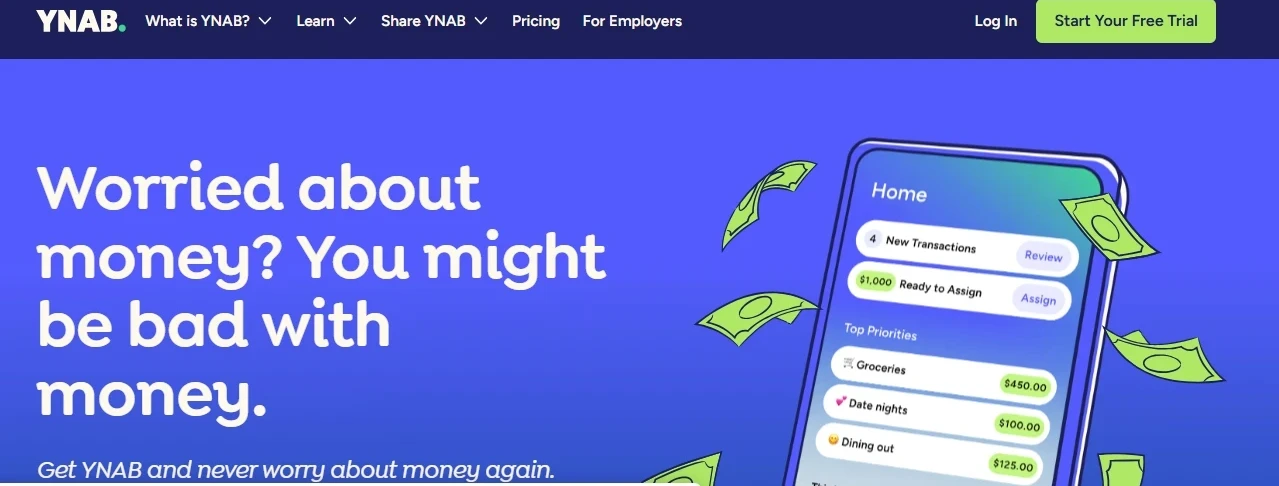
This approach works wonders if you want hands-on control of your debt fight. Its “Debt Paydown” tool offers easy visual progress bars, so you never wonder how far you’ve come or how far you need to go. Plus, YNAB offers stellar guides, active communities, and engaging workshops to keep you motivated and learning new tricks for real-world budgeting.
- Best for: Planners, control lovers, and those focused on building long-term money habits.
- Cons: Costs about $14.99/month or $99/year after a trial. There’s a bit of a learning curve, but support resources are excellent.
2. Rocket Money
Rocket Money connects seamlessly to your banks, credit cards, and even utility providers. Its top standout is the subscription tracker: it flags recurring charges (like streaming or memberships) you didn’t remember signing up for.
Cutting back on these frees up cash for your debt payoff strategy.
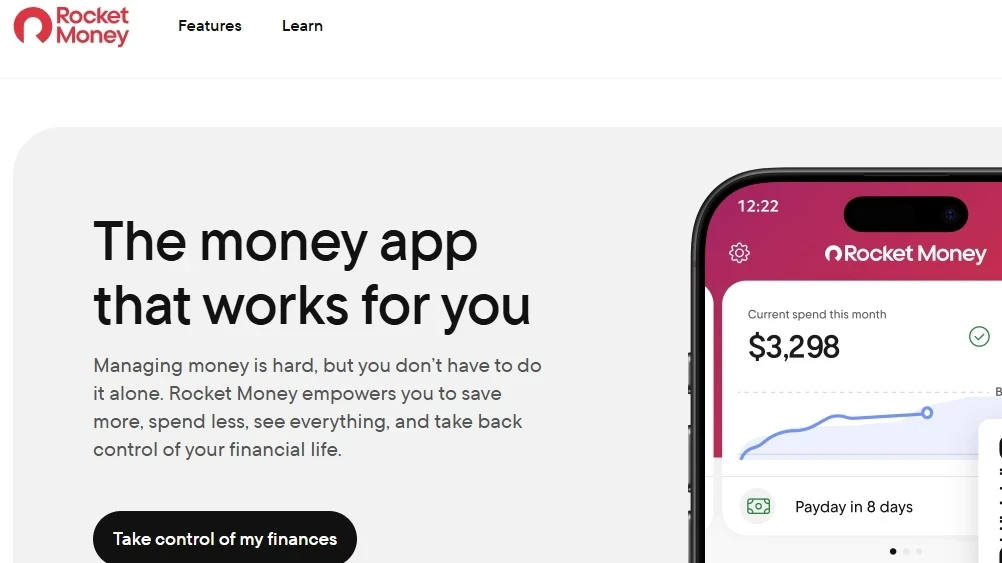
If you’re always wondering where your paycheck disappears, Rocket Money will likely track down hidden subscriptions or forgotten services costing you each month.
Recovering surprise cash means more progress on your debt snowball!
- Best for: Those who prefer automation and want help finding overlooked expenses.
- Cons: Certain perks, like bill renegotiation, may require extra payments or premium plans.
3. Spendee
Spendee is big on visualizing your finances.
All your accounts are presented in colorful graphs, charts, and category breakdowns. If you get lost in lists of transactions, these visuals make it simple to spot spending habits and debt triggers.
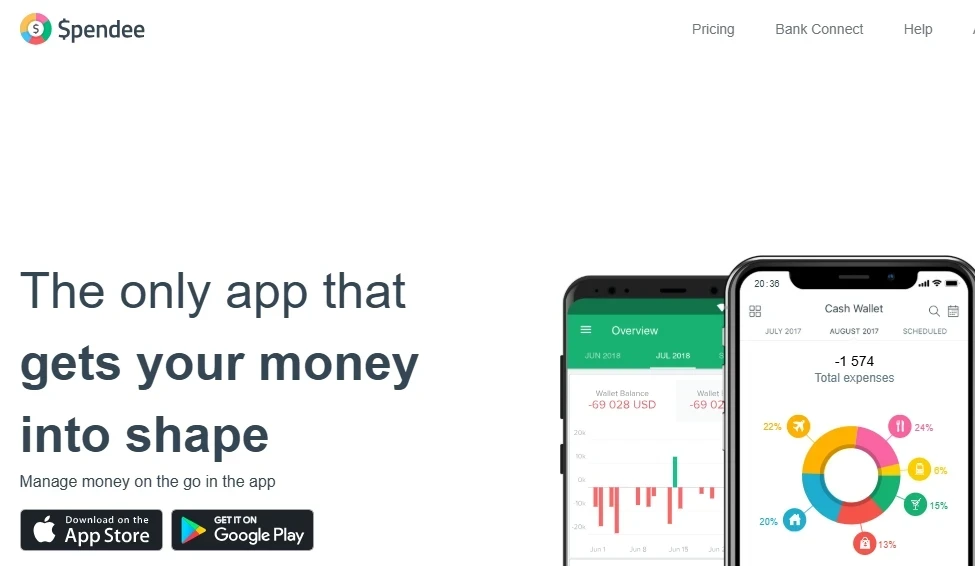
Budget alerts nudge you when you’re nearing category limits, so you have a chance to shift or slow your spending. Wallets can be shared too, making it easy for couples or roommates to team up and manage joint expenses without confusion.
- Best for: Visual thinkers, partners, or families who need an accessible household budget tool.
- Cons: The free tier is basic; syncing all accounts and unlocking custom categories requires a subscription.
4. Goodbudget
Goodbudget brings back the envelope system digitally.
Divide your paycheck into spending envelopes (like groceries, gas, or debt payments), and watch your funds dwindle as you spend.
When an envelope is empty, you decide whether to pause or reallocate funds — a great way to stick to your debt payoff plan.
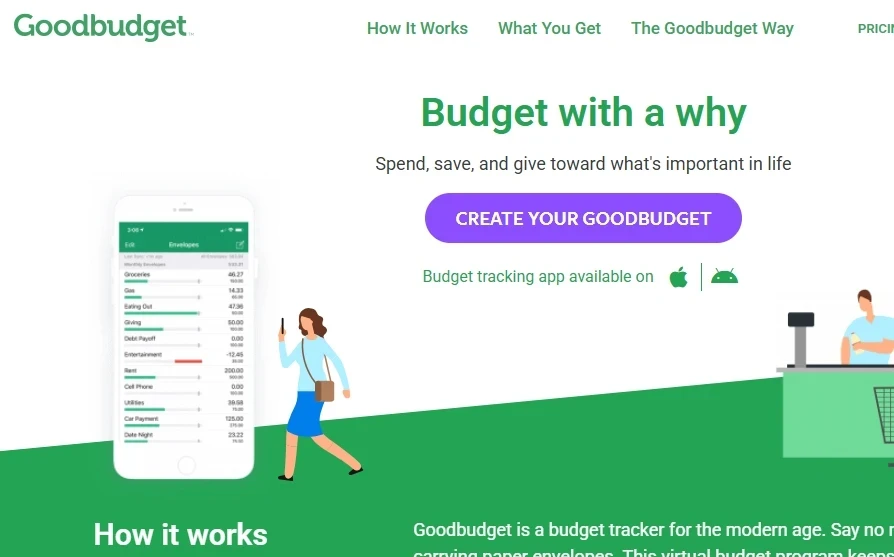
Its manual method helps build stronger self-discipline and is perfect for anyone who struggles with digital overload.
Goodbudget is also handy for people co-managing finances, like couples or family members who need to sync up even from a distance.
- Best for: Those who want a hands-on system, especially families, couples, or tight-knit groups.
- Cons: Manual entry can make it less set-and-forget unless you connect all your accounts.
5. PocketGuard
This app is designed for simplicity. PocketGuard brings together all your accounts and clearly shows what’s “safe to spend” after bills and savings are set aside. It’s like a daily guardrail that helps you avoid overspending, accidental overdrafts, or erratic spending after your rent clears.
The built-in goal tracker is effective for small debts or saving for things like annual payments, making it useful for both beginners and anyone craving a straightforward solution without overwhelm.
- Best for: Those new to budgeting, people wanting instant clarity, and anyone prone to overwhelm with more complicated tools.
- Cons: Lacks more in-depth debt payoff planning but shines for everyday awareness.
Bonus Apps Worth Considering
- Lunch Money: A powerhouse for data lovers. Track net worth, use multicurrency, analyze trends, and slice and dice your financial story while sticking to a solid budget.
- Quicken Simplifi: Top marks for folks who want solid organization, income tracking, bill alerts, and personalized savings targets—all with a polished modern feel.
- Vault22: A strong option for those handling money in South Africa, syncing local banks and providing smart ZAR alerts.
- PocketSmith: Uniquely, this app forecasts your future net worth if you stick to your current plan, making it great for big-picture thinkers and planners.
There’s no shortage of apps aiming to smooth the way for debt slayers, so feel free to check these out if you need something more powerful or niche than the main five.
When you find something that feels comfortable, you can always upgrade for advanced features later.
Tips to Make Your Budget Apps Work for Debt Repayment
No budgeting tool produces results like magic unless you consistently put it to work.
Here’s how to make your app your secret weapon for knocking down debt:
- Link your accounts: Syncing checking, savings, loans, and credit cards will give you accurate balances and real-time updates.
- Set SMART debt goals: Get specific about your targets (like “Knock out my credit card by September by putting aside $150 monthly”). Virtually all apps allow setting, tracking, and updating these goals so you can keep up momentum.
- Update spending categories regularly: Life happens, and your budget should reflect it. Adjust categories each month to make your plan fit your new reality.
- Automate payments and savings: Automatic transfers for debt payments and savings deposits keep you consistent and make resisting spending temptations easier.
- Review progress often: Spend a few moments each month analyzing trends, cheering your wins, and fine-tuning your approach for better results.
Building these habits turns budgeting apps into genuine tools for change, not just another phone icon.
💼 Build Income That Helps You Crush Debt Faster
Budgeting apps are powerful for realizing where your cash goes and sticking to your plan. However, increasing income makes paying off debt way more manageable and shortens the slog.
One solid way to get a boost is by looking into Wealthy Affiliate—it’s a beginner-friendly training community for people who want to jumpstart an online business and grow income on the side.
They teach you how to get started in affiliate marketing, how to build a site, and how to create an income stream that could seriously speed up your journey out of debt.
👉 Click here to explore Wealthy Affiliate
Free Access to the STARTER MEMBERSHIP which includes:
- 8-lesson core niche training
- WA help/community access (2.5 + million members)
- 7 days of coaching/mentoring from me
- And more…

Wrapping up, finding the right budgeting app can be your biggest ally on the road to paying off debt. Each tool has its own perks, so don’t hesitate to try out a few before committing.
Get started today—your future self will thank you!