

Grocery prices are climbing everywhere, and it can feel like your budget is shrinking while your cart is getting lighter. Feeling the pinch at the checkout line is normal, but it doesn’t mean you have to give up tasty or nutritious meals.
I’m excited to show you ten practical ways to reduce grocery spending without sacrificing what lands on your dinner table. Every dollar saved on groceries frees up room in your budget for the fun stuff, savings, and peace of mind.
Why Saving Money on Groceries Matters
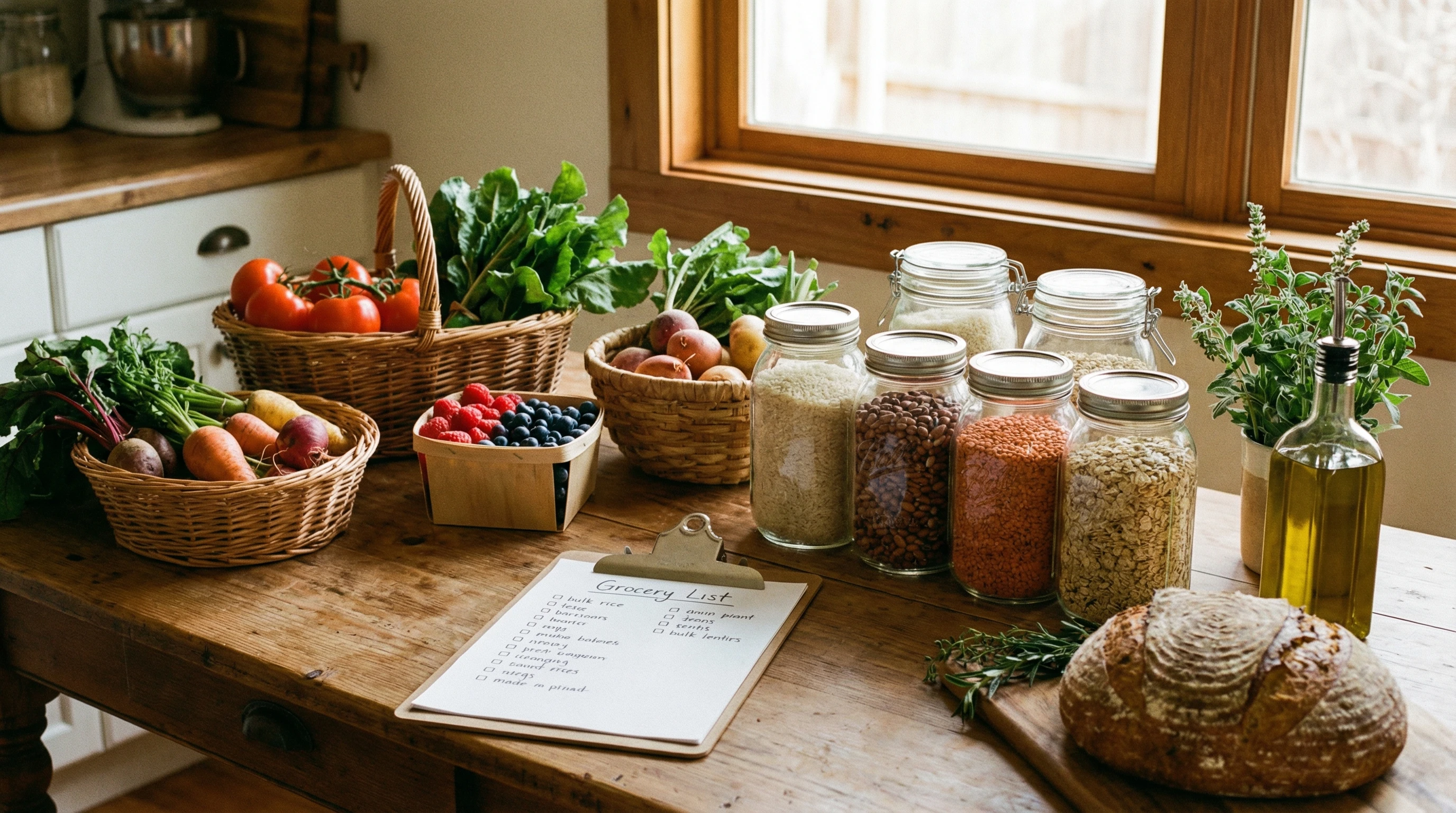
Food costs take a pretty large share of most household budgets, right alongside rent and utilities. Cutting grocery spending isn’t just about pinching pennies; it’s about stretching your dollars so you can cover other bills, take a trip, boost your savings account, or just feel less stressed at month’s end.
Tapping into smart grocery budget tips and shopping hacks builds a habit of mindful spending and helps you worry less about making every meal count.
1. Plan Meals Weekly
Planning meals for the week is easily one of my favorite ways to stay on top of my grocery budget. Instead of shopping haphazardly or staring blankly into the fridge at dinnertime, I spend a few minutes jotting down what I want to make each night.
This way, I only buy exactly what I’ll use, which cuts down on wasted food and those random impulse purchases that sneak into the cart. Rotating a handful of tried-and-true recipes keeps things simple, slashes time in the kitchen, and makes shopping way less stressful.
2. Make a Grocery List and Stick to It
It’s super tempting to toss in the new snacks or extra treats when you shop. Having a clear, focused grocery list changes those habits fast.
I stick to my list to avoid going off track and making unplanned purchases. Apps on my phone help keep my list up to date, but good old paper works, too. Shopping with a list ensures I only get what’s needed for the week, no more, no less.
3. Check Your Pantry Before Shopping
Before heading out, I always look through my cupboards, fridge, and freezer. I’m sometimes surprised by what I already have and how close I am to putting together a full meal just with leftovers and staples.
Checking your pantry keeps you from buying doubles and brings those odds and ends into your meal plan, so food goes further and money isn’t wasted on items you already own.
4. Compare Prices & Unit Costs
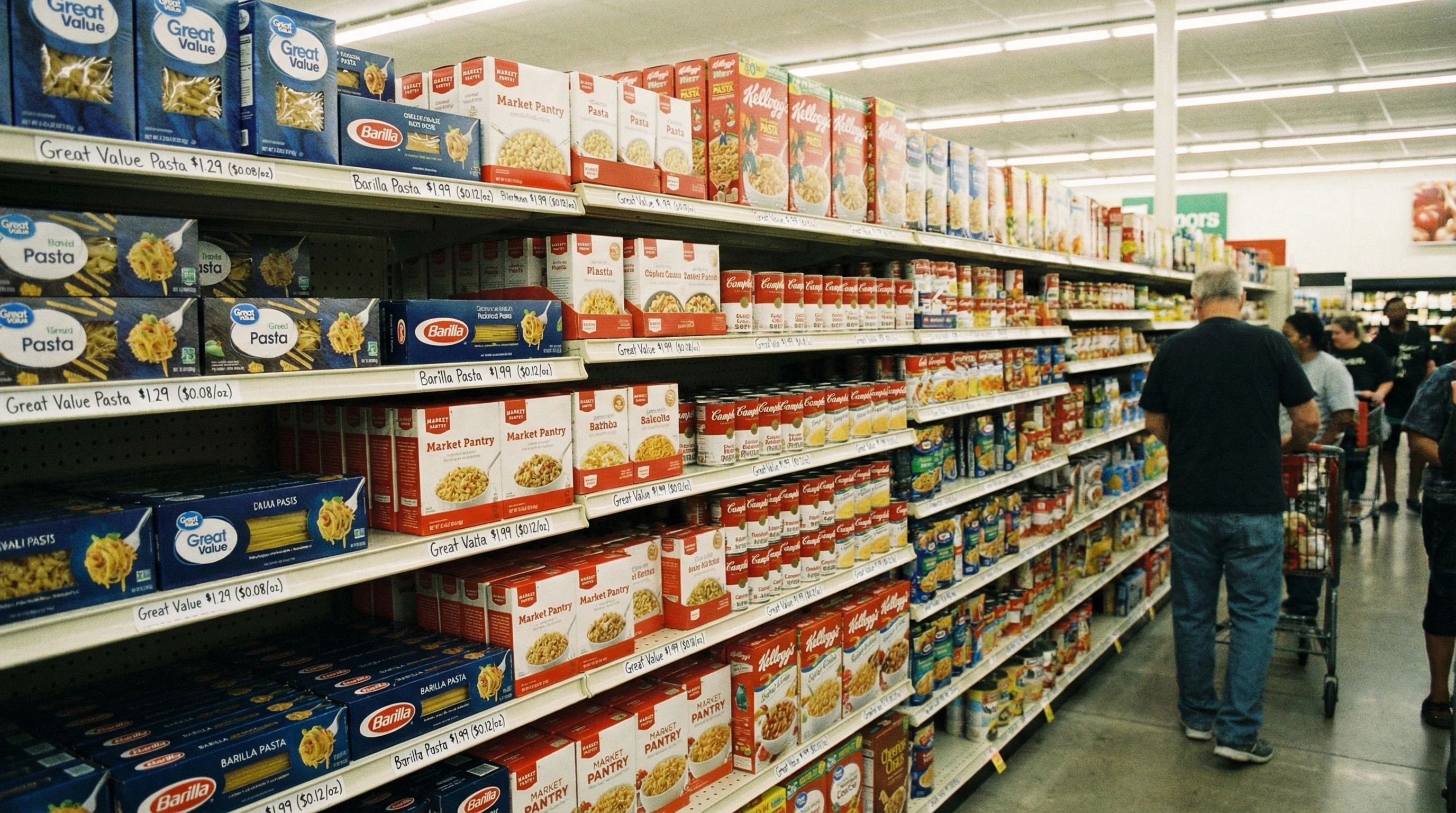
Prices on grocery shelves can be sneaky. Looking at the unit price (the price per 100g or per oz/lb) often shows where the best value is hiding. I look at those little shelf labels to compare similar products.
Sometimes the bigger box is cheaper per serving, and sometimes the sale on a smaller package is actually a better deal. Keeping an eye on price per unit is a simple hack that saves a surprising amount throughout the year. Comparing shop to shop or even between storebrand and namebrand can add up, too.
5. Choose Store Brands Over Name Brands
Switching to store or private label brands can shave a good chunk off your bill. They’re almost always cheaper, and honestly, lots of the time I can’t even tell the difference in taste or quality.
I’ve found pantry staples like pasta, canned beans, and even dairy cost less when I grab the store version. Even just swapping a few products each week starts to make your receipt totals less intimidating.
6. Buy in Bulk (When It Makes Sense)
Bulk buying can cut down your spending on groceries, but only on items you know you’ll use before they expire. I stock up on things like rice, pasta, oats, and toilet paper when they’re on sale or have a bulk deal.
For items like spices or nuts, sometimes buying from the bulk bins lets me purchase exactly as much as I need.
No waste, no excess. Just be careful not to buy too much fresh food you can’t eat before it spoils. It’s about smart bulk buys, not simply grabbing the biggest bag every time.
7. Use Coupons, Loyalty Programs & Cashback Apps
Even though I wouldn’t consider myself a coupon queen, digital coupons and store loyalty apps are becoming a regular part of my routine.
Most supermarkets have an app or card for members, and the savings on staples and weekly deals can add up quickly. Signing up for store emails can give you access to even more exclusive deals.
8. Shop Seasonal & Frozen Produce
Seasonal produce tastes better, lasts longer, and usually costs less because it’s more abundant (and hasn’t traveled halfway across the world).
I keep an eye on what’s in season so my meals feature more affordable, fresher items. When prices spike on fresh options (hello, strawberries in winter), I pivot to frozen fruits and veggies, which are just as nutritious and don’t spoil as quickly.
Stocking up on frozen options means I have a variety of produce handy for smoothies, stirfries, and soups all year long.
9. Cook at Home & Stay Away from Convenience Foods
Cooking meals from scratch is almost always more affordable than grabbing prepared foods or eating out. I used to rely on frozen dinners for busy nights, but making a big batch of soup, casserole, or chili once a week made a much bigger dent in my grocery bill.
Prepping some easy grabandgo breakfasts (like overnight oats or egg muffins) helps, too. Home-cooked meals cut costs and let me have more control over nutrition.
10. Repurpose Leftovers Creatively
Leftovers are my secret weapon for saving money and time. Instead of reheating the exact same meal, I turn extras into something new; a bit of roasted chicken becomes chicken tacos or a hearty soup, and extra rice goes into stirfries or fried rice. Repurposing food this way keeps dinners exciting and avoids food waste. I even keep a little list in the kitchen of “leftover remix” ideas to shake things up.
Tips to Get Started
- Pick three strategies from this guide that fit your lifestyle and try them this week.
- Set a weekly grocery spending goal; start with a round number to keep it simple.
- Track what you spend and save with a quick note on your phone or a basic spreadsheet. Seeing the actual numbers adds fuel to keep going.
Common Challenges and How I Tackle Them
Saving money on groceries isn’t about perfection. It’s about progress.
Here are a few snags that pop up for me and what helps me move past them:
- Impulse Buys: Shopping when hungry or tired almost always blows my budget. Eating a snack before shopping (or buying online for curbside pickup) makes me way less likely to give in to cravings.
- Price Increases: Groceries go up and down in price all year. When my favorites get too pricey, I look for substitutions or plan meals around sales instead.
- Picky Eaters/Family Preferences: Sticking to a budget with different tastes in the house is a challenge. I try flexible base meals, like build-your-own burrito bowls or pasta with a couple of sauce options, so everyone’s happy without extra cost.
More Advanced Grocery Shopping Hacks
After you’ve got the basics down, these extra ideas are worth checking out:
- Shop at the End of the Day: Stores often mark down bakery goods, meat, or produce that needs to go before closing. Scoring these discounts is a pretty simple way to pad your savings.
- Check Local Discount Stores: I sometimes find snacks and cereals way cheaper at dollar stores or local discount grocers.
- Join a Grocery Co-op or CSA: Pooling resources with neighbors or subscribing to a local farm’s weekly box can help you get highquality ingredients at better prices, especially for produce.
What Staple Items Work Best for BudgetFriendly Meals?
Knowing which pantry basics give the most value for their price makes meal planning a lot easier. These are some staples I revisit regularly because they’re versatile and always affordable:
- Dried or canned beans (for soups, salads, and casseroles)
- Rice and pasta (good base for just about any cuisine)
- Eggs (super versatile for breakfast, dinner bakes, or quick lunches)
- Frozen vegetables (always on hand and no spoilage worries)
- Flour and oats (for baking, pancakes, and homemade granola)
- Potatoes and onions (bulk staples that last a while and fit many meals)
FAQ: Reducing Grocery Spending
How do I stick to my budget when grocery prices keep rising?
It helps to set a strict cash-only method sometimes. If you use a set amount of physical cash or a prepaid gift card, there’s a hard stop for spending. I also plan my meals around sales or what’s available in my pantry instead of just cravings.
Is it worth it to meal prep if I’m busy?
Meal prepping can feel time-consuming at the start, but honestly, it saves me a ton of weeknight stress. Prepping ingredients once means I spend less time and money during hectic days.
Are store loyalty programs really helpful, or just a hassle?
Most loyalty programs are free and can give actual savings, especially when you stack digital coupons or take advantage of exclusive member offers. I keep the apps on my phone so I don’t miss deals. Just watch out for promotions meant to get you to buy items you don’t need.
Grocery Savings Start With Small Steps
Cutting back on food spending without giving up quality meals is totally doable. Simple habits like planning, sticking to a list, batch cooking, and making use of loyalty rewards set up your grocery budget for success without leaving you hungry.
Once a few strategies click, they add up, and after a while, you’ll barely notice you’re spending less, but your bank account definitely will.
Want to Take Up a Notch Your Money Game? Check Out Affiliate Marketing Training
If saving extra at the store has you wishing for more ways to give a boost to your income, beginner-friendly affiliate marketing might interest you.
The training I recommend is designed for busy people, with step-by-step lessons, a supportive community, and zero pressure to recruit or chase after friends. It’s built for people who just want real, sustainable income from home; perfect for covering future grocery budgets, savings goals, or even that dream vacation.
➡️ Ready to make smart moves for your money and your future? Check out beginner affiliate marketing training and set up a side income on your schedule!