

Money and lifestyle can feel like forces constantly at odds.
I’ve seen tons of people earn well but feel trapped by bills, or save super hard and miss out on living the life they actually want.
The real goal isn’t stuffing your budget full of restrictions; it’s finding the best ways to match up lifestyle and finances so they actually work together.
Having your money support the life you love (instead of the other way around) is not just possible; it’s more sustainable over the long haul.
In this practical guide, you’ll find eight proven habits for matching your spending, saving, and earning to the life you want, all without the burnout or guilt cycle that tends to come with old-school personal finance advice.
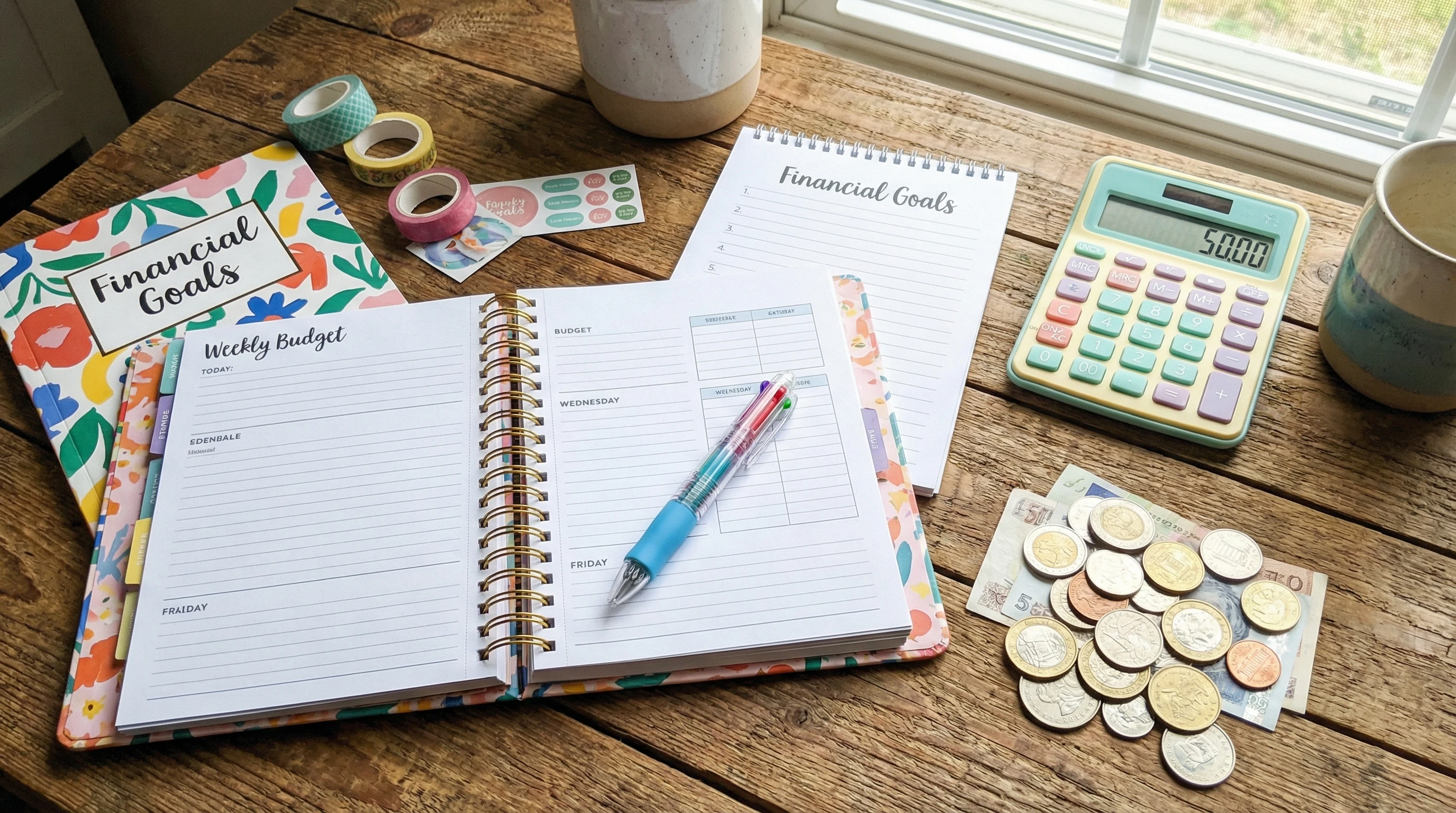
Why Aligning Lifestyle and Finances Matters
Trying to force your finances and lifestyle to fit without planning almost always backfires.
When you spend just to “keep up” or live outside your means, stress piles up.
Credit cards get maxed out. Plus, when paychecks rise, it’s easy to fall into the trap of upgrading everything, known as lifestyle inflation, with no real increase in happiness to show for it.
I’ve learned that getting clear on what actually matters to you helps cut back wasteful spending and clears away the fog around your financial goals.
It’s all about quality over quantity, and building habits that make your money last for years rather than just weeks.
Putting your vision ahead of small sacrifices helps avoid all-or-nothing thinking and leads to a lifestyle that feels rewarding instead of draining. Here’s how you can get started.
1. Define What an Ideal Lifestyle Means to You
Scrolling social media for inspiration can be fun, but it also sets a ton of unrealistic standards.
I find that real satisfaction hits when I figure out what’s truly important to me, instead of going by what looks cool on someone else’s feed.
I like to ask myself: Do I want more travel, a cozy, stable home, lots of free time, or a sense of adventure?
These priorities anchor my money decisions. Looking at your core values (like flexibility, purpose, adventure, or peace of mind) makes it easier to separate needs that matter from ones driven by habit or peer pressure.
Vision always comes first.
Before you even touch a budget, take time to write out what you want life to look like in a year or five years.
Check out my guide on changing your money mindset if you need help switching off autopilot mode.
2. Set Financial Goals That Support Your Lifestyle Vision
Once your vision is clear, next up is working out the numbers behind it.

Financial goals make a lot more sense (and are easier to stick to) when they’re tied to that big picture, not just random savings targets.
Reverse engineering helps: If you want to spend your winters traveling, start by figuring out what that’ll cost and work backward to set an income or savings goal that gets you there. Look at both short-term alignment (such as putting together a travel fund) and longer-term plans (such as early retirement or location independence).
Stay focused on core needs, not on what sounds impressive to others.
This helps you avoid bouncing between unrelated money targets and make more progress. Find more strategies in my post about sticking to your financial goals.
3. Build a Flexible, Lifestyle-Based Budget
Traditional budgeting can feel like getting stuck in a straitjacket.
I like to set up a budget that gives priority to the stuff that really makes me happy, not just the lowest possible spending.
I use methods like zero-based budgeting or percentage systems, but tailor them so I still have room for enjoyment and things that matter.
If I want more weekend getaways, I give that a space in the budget—and don’t guilt-trip myself for it.
The big switch is spending with intention instead of emotion.
Know what triggers impulse buying, and check in with your values.
The budget isn’t about saying “no” to everything; it’s about saying “yes” to what’s meaningful.
Check out my favorite budgeting methods here.
- Allocate for joy: Always set aside a portion for fun or personal growth. It keeps the process rewarding.
- Be flexible: Adjust monthly for real-life changes and don’t treat the budget as set in stone.
4. Avoid Lifestyle Inflation as Income Grows
I know how tempting it is to celebrate every raise with big upgrades—a new car, bigger rent, shiny gadgets.

The trouble is, bumping up spending with every pay rise keeps you feeling “broke” even as you earn more. The trick is to keep (and invest) a piece of those increases for yourself instead.
The next time your paycheck rises, ask which upgrades truly add value.
I let myself enjoy a few treats, but most of the extra gets put toward my long-term goals. A growth mindset means enjoying the ride but also keeping an eye on the bigger picture.
Mindful spending is far more sustainable. It’s much easier to dodge stress and future regrets by planning this way.
5. Align Your Investments With LongTerm Life Goals
Investing isn’t just about hitting a random retirement number.
I like to tune my investment approach to the lifestyle I’m aiming for. If I want more freedom before 65, I’ll pick investments with a timeline to match.
I mix up risk based on how I want life to look 10 or 20 years down the line.
I also stay sharp for funds or accounts that step up flexibility or allow early access (things like IRAs, brokerage accounts, or real estate can all work).
Check out my article on building a balanced investment portfolio for more approaches and look at protection moves so your plans don’t get knocked aside by market slumps or emergencies.
- Think past retirement: Consider investments for travel, new business ideas, or big family moves.
- Review often: Make sure your investments still match your changing lifestyle, not just your age.
6. Increase Your Income to Support Your Desired Lifestyle
There’s only so much you can trim from a budget before it starts to hurt.
If you’ve already tackled the big stuff, boosting your earnings might actually be the easier way to find more freedom.
Picking up new skills (certifications, degrees, digital know-how) opens more options for both regular jobs and side gigs.
I’m a big fan of multiple income streams, from side hustles to freelance work or microbusinesses. Online opportunities mean you can choose work that matches your life, not the other way around.
If your current job isn’t matching the lifestyle you dream of, now might be the time to learn new skills, push for a raise, or look into remote work.
7. Regularly Review and Adjust Your Financial Plan
I treat my financial plan like a living document.
Life changes, such as getting married, moving, having kids, and changing careers, all have an effect on how money supports your goals. Regular check-ins keep things running smoothly.
I schedule a mini review each month or quarter.
This keeps me tuned in to where I stand and lets me adjust my targets and budget before any big issue pops up.
Reports, apps, or a simple spreadsheet can all be helpful for tracking here.
- Stay proactive: Change your plan as soon as life changes roll in, instead of waiting until there’s a mess.
- Celebrate wins: Noticing progress, even if it’s small, keeps the ride rewarding and motivating.
8. Prioritize Experiences and Freedom Over Status Spending
The best life doesn’t always look shiny or flashy from the outside.
Some of the happiest people I know drive old cars and avoid fancy restaurants just so they can travel longer, volunteer more, or spend time with the people who matter.
Lasting happiness usually comes from experiences, growth, and freedom, not from trying to impress others.
When your spending is mapped around what lights you up, money becomes a tool—not a ball and chain.
Getting to financial independence helps you get free from living paycheck to paycheck or working just for other people’s approval.
It’s worth checking in with yourself every so often. Are you spending just to feel better for a second, to prove something, or to truly add joy to your life?
Common Mistakes That Create LifestyleFinance Misalignment
Even smart, careful people can slip up while trying to match money and lifestyle. Here are several common traps I’ve seen (and tripped on myself):
- Comparing yourself to others: This often pushes you to spend in ways that don’t really line up with your true goals or values.
- Oversaving and underliving: Going too hardcore can mean missing out on things that truly light you up—balance is key.
- Spending to look good: Blowing cash for “likes” or just to keep up leaves you empty and in debt.
- Ignoring the long run: Focusing only on now (or only on retirement) skips over all the life you could be enjoying now and later.

Staying on Track
Each slipup is really just another opportunity to learn.
Catching yourself in unhelpful habits is actually a win; you can course-correct anytime and make tweaks to line up your money and your goals even better.
Final Thoughts: Build a Life Your Money Supports
The objective here isn’t just about hoarding more money in your account.
It’s about building peace of mind and a genuine sense of freedom, knowing that your daily choices help move you closer to your dreams.
Making lasting wealth isn’t about being flawless or pushing through with iron discipline.
The secret is setting up systems that let smart choices happen on autopilot, and then updating those systems as your life keeps changing.
Tiny changes, like monthly checkins or sliding a piece of a pay bump into savings, add up way faster than you might expect.
Money should be a tool allowing you to live on purpose. When things line up, it all feels less stressful, more motivating, and easier than you’d think. Just start with one habit on this list and watch both your life and your bank account get healthier by the month.
Ready to Build Income That Fuels Your Ideal Lifestyle?
Budgeting is definitely helpful, but freedom really grows when you grow your income, too. My favorite recommended training platform is packed with easy starter tools and guides for:
- Building online streams of income
- Learning digital skills for the long run
- Finding more flexibility beyond a standard paycheck
Check out my #1 recommended training platform here if you’re ready to get started. It’s called Wealthy Affiliate. It’s a platform that I joined back in 2015. I still use it today, and if you are reading this article, it’s proof that whatever they are teaching me, works!
It will work for you as well. Just implement what they teach, and stick to the training, and you will be fine.
You can read my full Wealthy Affiliate review here, or go ahead and sign up for your FREE Wealthy Affiliate starter account here.
Free Access to the STARTER MEMBERSHIP which includes:
- 8-lesson core niche training
- WA help/community access (2.5 + million members)
- 7 days of coaching/mentoring from me
- And more…

Wishing you everything of the best.
Regards and Take Care
Roopesh