Hidden traffic networks and so-called “ghost traffic” probably sound like a dream come true for anyone looking to break into affiliate marketing without fighting for attention on TikTok or Instagram.
Adam Cherrington has taken this idea and built an entire program around it, claiming his Invisible Affiliate System offers a way to access untapped traffic sources most affiliates skip completely.
I’m pretty analytical when it comes to these kinds of systems, and I have zero affiliation with Adam or his program.
Everything here is based on what I’ve found from student reviews, info shared by Adam himself, and some honest digging through marketing forums and YouTube breakdowns.
There’s no question Adam Cherrington has real affiliate marketing experience. He’s earned a reputation for running paid campaign strategies for years.
But whenever I see income promises like $1,000 to $5,000 per day, my first instinct is to check what real students are actually experiencing day in and day out.
The difference between the high-roller headlines and the actual grind of ghost traffic marketing is worth knowing before dropping any cash.
FREE MASTERCLASS :
Want To Build a PROFITABLE Online Business? Even If You Have No Idea Where To Start?
What Is the Adam Cherrington Invisible Affiliate System?
The Adam Cherrington Invisible Affiliate System is an online training package focused on what Adam calls “ghost traffic”.
Essentially, it’s about tapping into ad networks and traffic channels that most mainstream affiliate marketers tend to overlook.
Instead of leaning on social media or SEO, the system teaches how to work with things like native ads, in-app traffic, SDK installs, pop-up ads, and other less-policed places to buy clicks.
The core pitch is that these hidden channels are less competitive, can send massive amounts of traffic, and let you “fly under the radar”.
This is pretty appealing if you’re tired of Facebook policy changes or TikTok bans. Adam claims his strategies are based on years of spending millions in ad revenue and running what he calls “phantom campaigns.”
The sales materials reference campaigns for niches like skin care, supplements, sweepstakes, loan offers, or anything that might run into trouble on Google or Meta.
The training says you can start with relatively low ad spend, use their in-house tool “Protocol” to find and optimize ghost campaigns, and build to a daily income that makes the usual $ 100-per-day targets seem small.
Recommended Reading: What Is The Sephora Affiliate Program? An Honest Review
What Is the Adam Cherrington Affiliate Marketing Trends Approach?
If you follow Adam’s content or keep an eye on affiliate industry trends, you’ll see he’s part of a growing group moving away from mainstream traffic.
The classic “build an audience on social” or “rank on Google” strategies can be a tough path in 2026 with so many rules, bans, and competition from big-budget advertisers.
Adam’s approach tries to sidestep all that by looking at channels most marketers ignore, such as third-party ad placements on obscure sites or buying inapp banners in mobile games.
He talks a lot about “phantom” or “ghost” traffic. Meaning networks with less oversight, often international, not governed by the same ad quality controls, and attracting fewer beginner marketers.
The upside is getting in front of millions of eyeballs at lower costs. The risk is these networks also have higher fraud rates (meaning your ads might get a ton of bot clicks before you figure out how to block them).
Smart affiliates will recognize this approach as a twist on traditional media buying. Instead of just outbidding others on Facebook, you’re spreading bets across channels where most people don’t compete.
But you need better tracking, careful vetting, and experience to avoid flushing money down the drain on fake clicks.
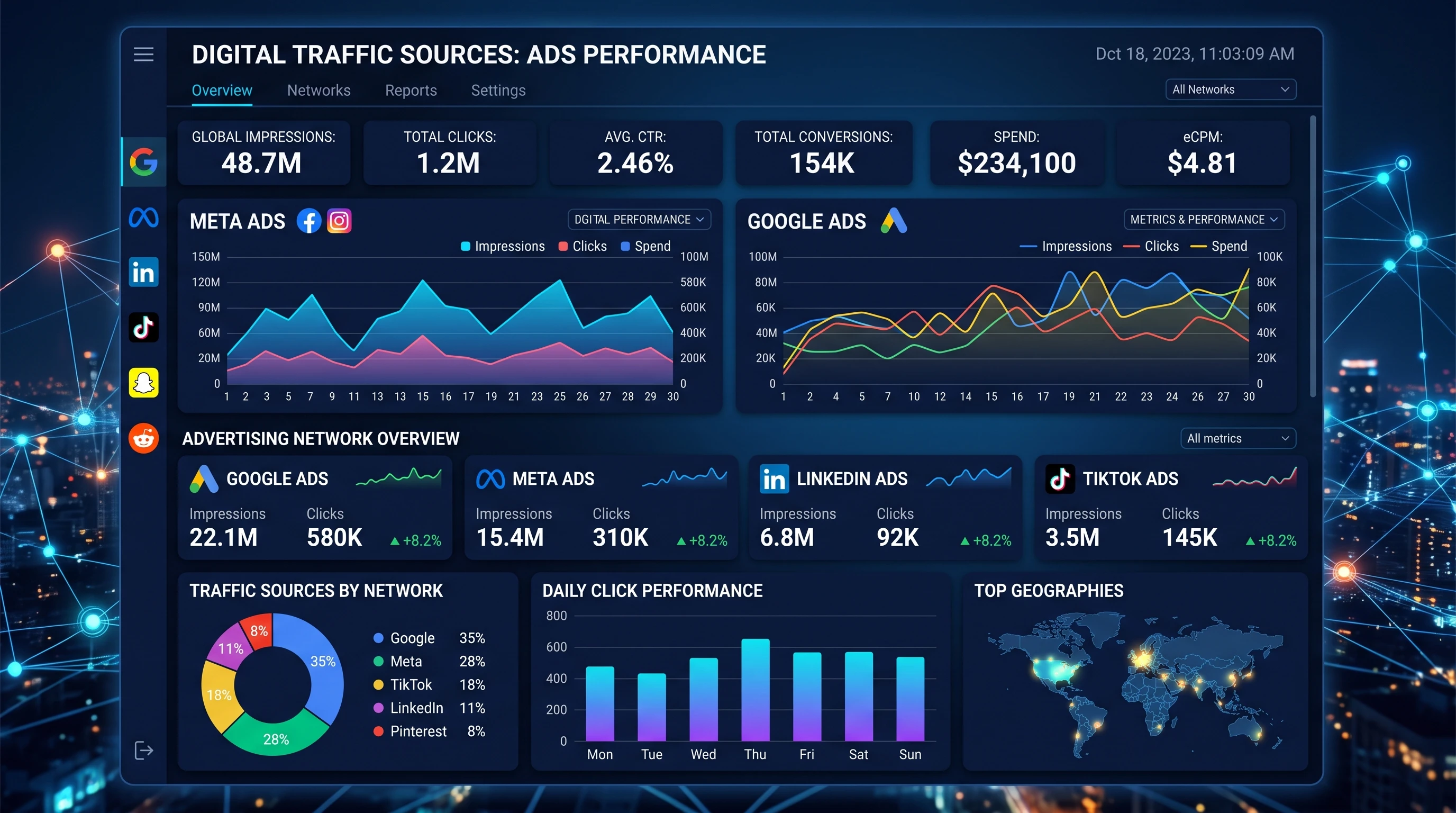
Adam Cherrington Invisible Affiliate System Tutorial. How It Works
So, here’s what most people want to know: how does the Adam Cherrington Invisible Affiliate System actually work?
Here’s a breakdown of the typical process from what I can gather from sales material, user walkthroughs, and some detailed third-party reviews.
The $67 Entry Level
Getting in the door starts at $67.
For that, you get access to the Invisible Affiliate System core training videos and entry to the Protocol tool.
The upsells after signup offer more in depth case studies, DFY (done for you) campaign templates, and higher support tiers that jump into the $297 or $497 range.
This is pretty standard for courses in this space.
The entry package covers:
- Video training on ghost traffic sources (native, in-app, SDK, and popup traffic)
- Overview of the Protocol campaign builder
- Examples of offers that perform well on these networks
- Basic campaign setup walkthroughs
What you won’t get are real-time support calls or hands on coaching at this level. Most of the value is in the over-the-shoulder tutorials and tooling access.
How To Use the Adam Cherrington Invisible Affiliate System
Most students follow a simple four-step process:
- Access ghost traffic networks: Adam’s training identifies partner ad networks. Some require applications or deposits. Buyers learn to register and deposit funds to start running campaigns.
- Use the Protocol tool: The standout feature is this campaign builder and optimizer. It helps you find profitable ad placements and set up targeting rules. Other tools like Voluum or Binom are also suggested for tracking.
- Build and test AI ad creatives: The training now includes using AI to create ad banners and copy. Students get templates designed to dodge compliance issues on these phantom ad networks.
- Monitor and optimize daily: This is the grind. Campaigns require daily reviewing of traffic sources, blocking fraudulent subnets, AB testing creatives, and managing budgets. Adam stresses regular manual oversight for any campaign hoping to go positive.
In short, you’ll need to keep a close eye on traffic quality, quickly pause underperforming placements, and constantly test new creatives if you want to see a return.
Beginners sometimes underestimate how active and hands-on this process really is, especially when facing new challenges with traffic sources that haven’t been tried before.
Having a willingness to analyze data every day is a must.
Even experienced marketers have to stay adaptable as these networks can change policies and requirements without notice.
Can You Make Money With the Adam Cherrington Invisible Affiliate System?
Yes, but only if you have some experience and a bankroll for testing and optimization.
Most students who see positive results were already running paid campaigns or working in affiliate marketing. They use the system to mix in some variety beyond Facebook, Google, or TikTok traffic.
These marketers understand tracking, fraud detection, and rapid scaling, so they know how to spot when a campaign is working versus burning cash.
The real challenge?
Ghost traffic networks deal with very high bot rates. Some reviewers estimate 20 to 60 percent of clicks on these sources are fraudulent or non-converting until you filter aggressively.
It’s not unusual to lose $200 to $500 upfront before you get clean, optimizing data. This is super important to set expectations.
Adam mentions it in his calls, but most sales pages gloss over it.
The upside is that successful campaigns sometimes pop for massive ROI, but getting there means bracing for some early losses and not getting discouraged.
If you’re new to affiliate marketing, chasing those high daily income headlines can backfire. Most beginner case studies report breaking even or hitting small profits after a few months, often only after putting in a lot of time learning the ropes and fine-tuning every day.
The average student will not hit a consistent $1,000 or more per day income their first month or even in their first few months, unless they already have experience in media buying or affiliate tracking.
Invisible Affiliate System Pros
- No need for social media or personal branding: You don’t need to record videos, run a blog, or build an Instagram following.
- Access to underused traffic sources: The system covers networks many marketers overlook.
- Up-to-date example campaigns: Training is regularly refreshed with what’s working now.
- Protocol tool saves time: Automation helps find good placements and block low-quality traffic quickly.
- Potential for big wins: If you find a winning campaign, scaling is pretty straightforward due to the sheer volume of ghost traffic available.
Invisible Affiliate System Cons
Ghost traffic fraud rates can reach as high as 20 to 60 percent, so real money gets lost on bot clicks before campaigns are optimized. That’s just the reality of these networks.
- Significant risk of losing money at first: It’s easy to blow through hundreds or even thousands on fake clicks before learning which sources perform.
- No passive or “set and forget” element: Daily optimization is required. Some marketers report spending hours a day in the first month just managing placements and clicks.
- Can be complex for beginners: Campaign setup, tracking, targeting, and fraud management all have a learning curve.
- Recurring costs: Many recommended tools and tracking software require monthly fees on top of ad spend.
- Legal gray areas: Some networks aren’t as transparent and offer less recourse if you get stung by fraud or compliance problems.
Who Is the Invisible Affiliate System Good For?
This system is best for experienced affiliate marketers who want to break out of the crowded social channels and have some budget set aside for trial and error.
If you know your way around tracking tools, have some working knowledge of paid ads, and dislike the content grind of organic marketing, this kind of model might appeal to you.
Marketers who manage their own budgets, like to analyze data, and want to experiment with unconventional channels without worrying about losing accounts on Meta or Google can get value from this approach.
It also appeals to affiliates in niches where mainstream ad networks are off-limits or heavily regulated.
Having the skills to interpret tracking reports, optimize creatives, and untangle issues as they pop up can make all the difference in this arena.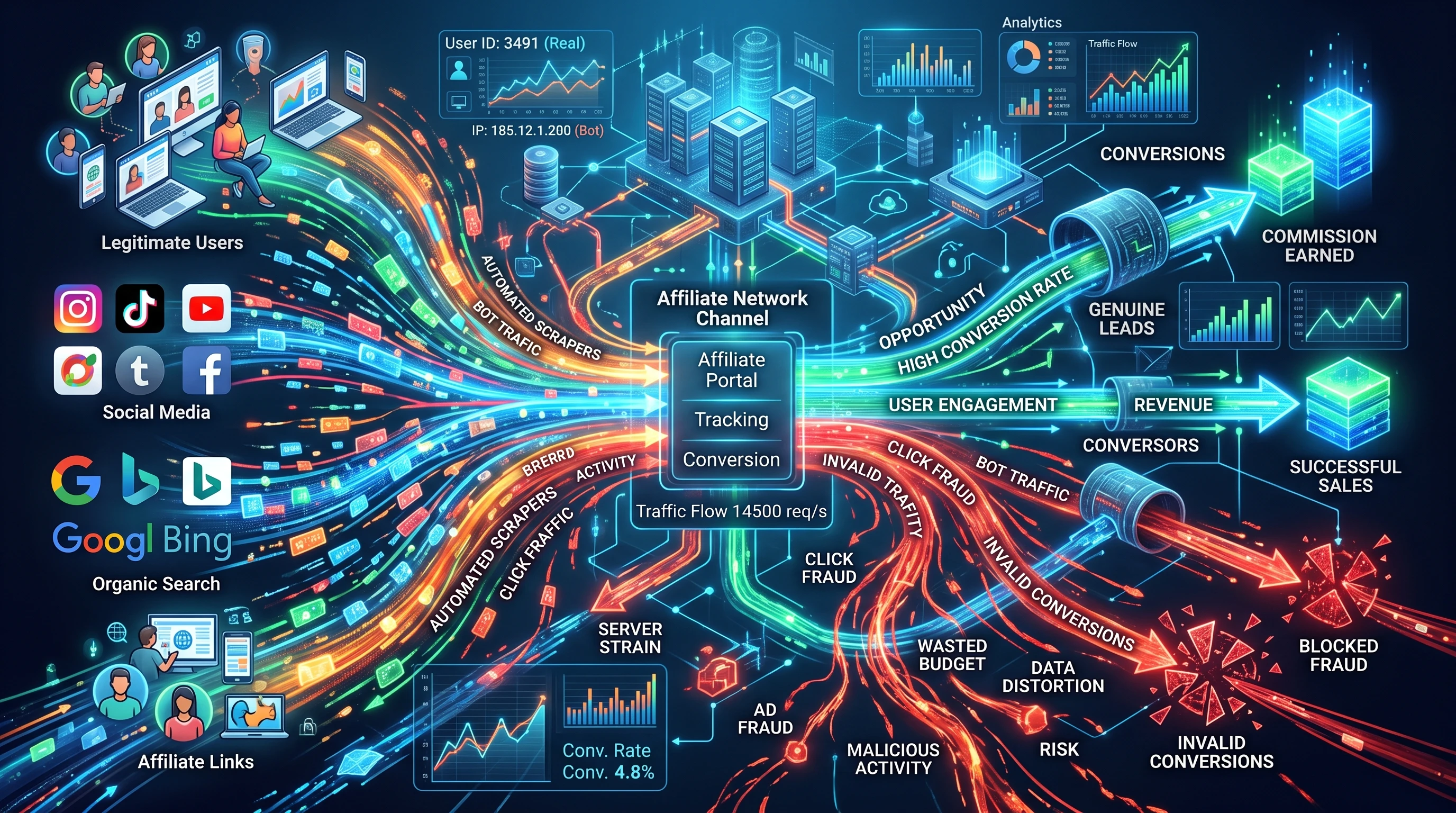
Who Should Look Elsewhere?
If you’re a total beginner, have limited ad spend, or prefer a more “set and forget” style business, the Invisible Affiliate System will probably frustrate you.
It’s true that running paid campaigns without relying on social networks is appealing, but dealing with ghost traffic networks, and their high rates of fraud and need for constant monitoring, ends up being way more difficult than learning organic content methods.
People new to affiliate marketing often imagine these systems offer passive or “one and done” income.
In reality, they swap the time spent on social for even more time spent checking placements, interpreting traffic logs, and blocking subnets.
If you aren’t interested in tracking and optimizing daily, this won’t be a fit.
Even if high returns are possible after months of work, most newcomers won’t want to put in that level of daily focus or deal with the possible setbacks along the way.
The “no social media required” pitch is tempting, but managing high-fraud ghost traffic often becomes an even bigger grind than just posting content or building slowly with organic methods.
My Honest Verdict
The Invisible Affiliate System is a real program from a real marketer, not some obvious scam.
But it’s not an easy path to riches for most people. To make it work, you’re going to need some capital for testing, plenty of patience for daily optimization, and a willingness to learn from failed campaigns.
Most beginners are better off focusing on organic methods or smaller ad buys on safer networks before jumping into ghost traffic land.
The idea of making serious money off hidden traffic is exciting, but the odds of quickly seeing big profits are slim without experience and a high tolerance for risk.
This model is definitely not the best fit for most new affiliates and anyone looking for a low-touch way to make money online.
What I Personally Recommend Instead
If you want to build an affiliate income without the headache of fraud monitoring, daily ad spend, or paying for traffic, there’s a much more approachable route using free organic traffic.
My go-to these days is Aaron’s method.
It skips all the ghost network headaches and focuses on turning social platforms into predictable, low-stress income streams from scratch. You don’t need to build a brand, appear on camera, or spend money on ads.
Aaron has put together a free masterclass where he lays out the entire process, step-by-step.
No ad spend, no traffic fraud, no endless daily optimization just to avoid going negative.
Aaron is my mentor, and his approach is how I’m building my own affiliate projects now.
This comes from seeing how unpredictable paid ghost traffic can be. I’d really suggest checking out what Aaron is sharing before spending money on expensive ad campaigns. Watch Aaron’s Free Masterclass Here →
FAQs
What is the Adam Cherrington Invisible Affiliate System?
It’s a $67 affiliate marketing course that teaches how to set up “phantom” or ghost traffic campaigns on networks like native ads, inapp placements, SDK and popup traffic sources.
How to use the Adam Cherrington Invisible Affiliate System?
You access ghost traffic networks, set up campaigns using the Protocol tool, build AI driven ad creatives, and keep a close eye on your stats with daily optimization. Blocking low quality or fraudulent traffic sources quickly is pretty important.
Can you make money with the Adam Cherrington Invisible Affiliate System?
It’s possible, especially for experienced media buyers, but tough for beginners due to the high rate of fraud and the capital needed for constant testing and optimization. Real earning potential comes to those already comfortable analyzing traffic data and jumping on emerging offers.
What are Adam Cherrington affiliate marketing trends?
He’s all about ghost/phantom traffic as a workaround to crowded or policyheavy social channels. There’s high potential but also a lot of risk and a steep learning curve for tracking and optimization.
What’s a good alternative?
Invincible Marketer uses free organic traffic with no fraud risk or ad spend. You build up consistent commissions through proven content strategies instead of relying on hidden traffic sources.
Final Thoughts
The Invisible Affiliate System teaches a real, but tough model for generating affiliate earnings.
And it comes from a real industry expert. But outdated modules, tough fraud rates, and capital demands make it the wrong pick for most new marketers, especially if you’re hoping for quick wins with little hassle.
For most, building up with free organic traffic is a way more accessible (and lower-risk) way to see results online. I think Aaron’s system is really worth a look if you’re serious about affiliate marketing in 2026.
Check out Aaron’s free masterclass here if you’re curious, or share your own experience below if you’ve dabbled in ghost traffic campaigns already!